





BLOGSDETAILS
Why Folding Container House is Gaining Popularity in Modern Construction
Author:Mingkai Time:2026-09-13 22:11:56 Click:178
Why Folding Container House is Gaining Popularity in Modern Construction
As urbanization accelerates and construction costs continue to rise, the folding container house offers a compelling alternative to traditional building methods. With its unique combination of portability, durability, and customization options, this modular solution is reshaping how we think about temporary and permanent structures alike.
What Makes the Folding Container House Unique?
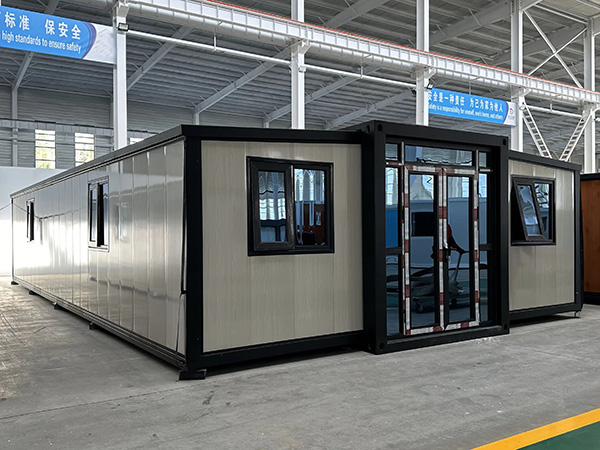
What sets the folding container house apart from conventional building methods is its innovative approach to construction efficiency. The entire unit is manufactured in a controlled factory environment, ensuring consistent quality and minimizing material waste. This off-site construction approach also reduces the environmental impact typically associated with traditional building sites, including noise pollution, dust, and disruption to local communities.
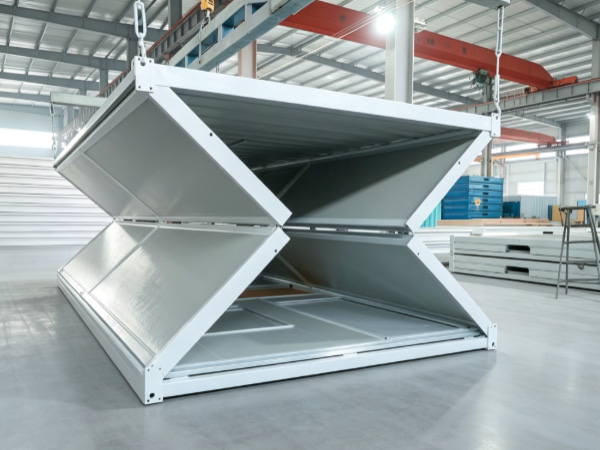
The transportation and logistics of the folding container house are optimized for global shipping. When folded or packed, units occupy minimal space, allowing for cost-effective transportation via standard shipping containers or flatbed trucks. Upon arrival, setup can be completed in a matter of hours with minimal equipment, making it ideal for remote or difficult-to-access locations where traditional construction is impractical.
Where This Solution Excels
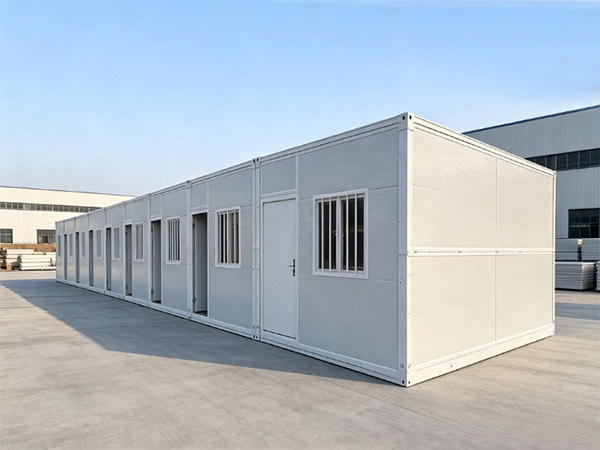
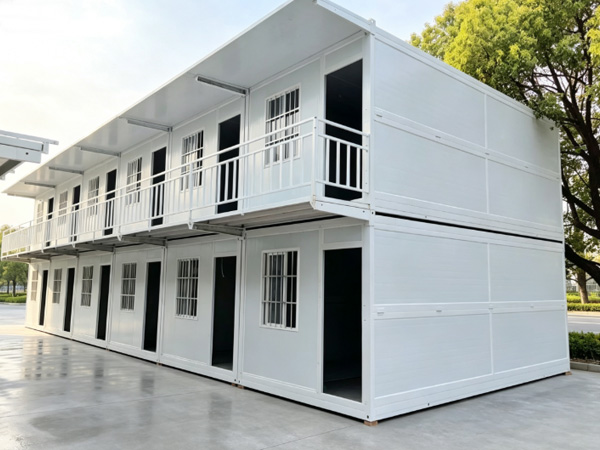
The folding container house has found particular success in addressing affordable housing challenges in urban areas. As land costs continue to rise, these modular units offer a cost-effective solution for increasing housing density without the lengthy construction timelines associated with traditional apartment buildings. Several cities have implemented container housing projects to provide affordable living options for low-income residents and young professionals.
In commercial applications, these units are being repurposed as pop-up shops, food kiosks, exhibition booths, and temporary office spaces for startups and small businesses. The ability to customize the exterior with branding and graphics makes them an attractive option for marketing campaigns and events. Agricultural operations also benefit from these units, using them as storage facilities, equipment shelters, and on-site offices for farm management.
Future Outlook and Market Trends
The global market for folding container house and similar modular construction solutions is projected to experience significant growth in the coming years. According to industry analysts, the modular construction market is expected to grow at a compound annual growth rate (CAGR) of approximately 6-8% through 2030, driven by increasing urbanization, rising construction costs, and growing demand for sustainable building practices. Government initiatives promoting affordable housing and disaster relief capabilities are also contributing to market expansion.
Technological advancements are expected to further enhance the capabilities and appeal of modular container buildings. Integration of smart home technologies, renewable energy systems, and advanced materials will make these units even more comfortable, efficient, and sustainable. The development of standardized building information modeling (BIM) for modular construction will streamline the design and customization process, making it easier for architects and developers to incorporate these solutions into larger projects. As awareness of the benefits of modular construction continues to grow, we can expect to see even more innovative applications and market opportunities emerge.
Conclusion
The folding container house represents a compelling solution for anyone seeking flexible, cost-effective, and sustainable building options. With its rapid deployment capability, durable construction, customizable design, and wide range of applications, this modular building system offers significant advantages over traditional construction methods. Whether you are planning a temporary facility or a permanent structure, this innovative solution delivers exceptional value and performance.
As the construction industry continues to evolve, modular and prefabricated solutions like the folding container house will play an increasingly important role in meeting global housing and infrastructure needs. By embracing these innovative building technologies, we can create more efficient, sustainable, and affordable built environments for generations to come.
References (Google Scholar)
 HOT PRODUCT
 CONTACT US