





BLOGSDETAILS
The Rise of Prefabricated Foldable House in Affordable Housing Solutions
Author:Mingkai Time:2026-09-13 22:11:44 Click:157
The Rise of Prefabricated Foldable House in Affordable Housing Solutions
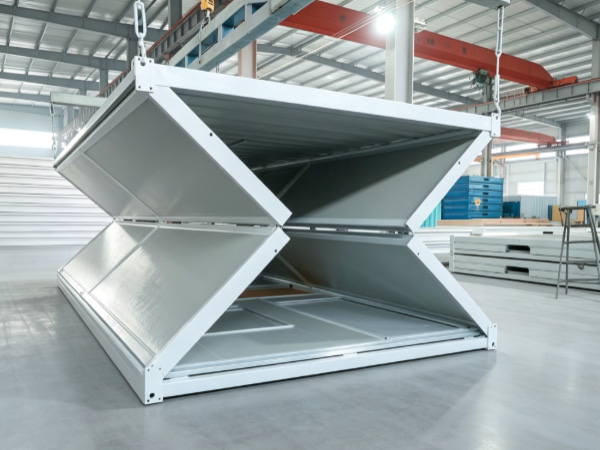
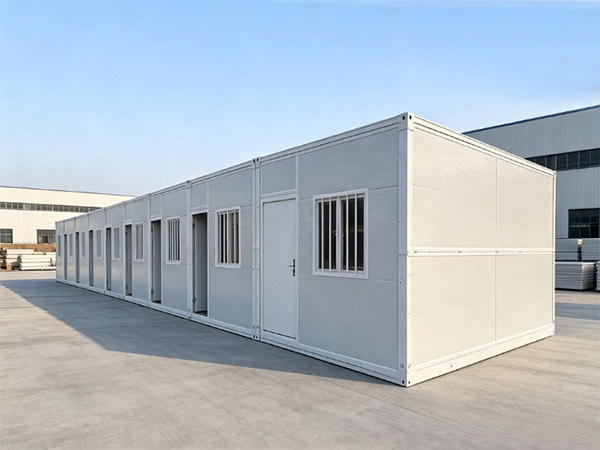
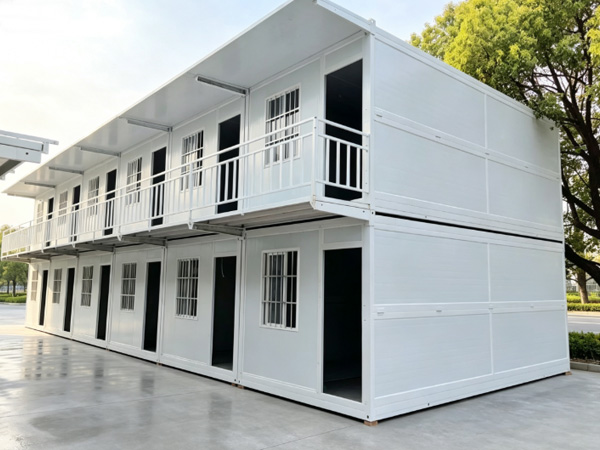
The construction industry is undergoing a transformation, driven by the need for faster, more sustainable building solutions. At the forefront of this revolution is the prefabricated foldable house, a modular building system that delivers exceptional value without compromising on quality or comfort. This article provides an in-depth look at this innovative product.
An Overview of Prefabricated Foldable House Technology
The technology behind the prefabricated foldable house represents years of research and development in modular construction systems. Every component is designed for maximum compatibility and ease of assembly, using standardized connections and fittings that ensure structural stability. The engineering team has conducted extensive testing to validate performance under various load conditions, including wind resistance, seismic activity, and snow loading.
Advanced manufacturing techniques, including CNC cutting and robotic welding, ensure precise component fabrication and consistent quality across every unit. The production process incorporates rigorous quality control checkpoints at each stage, from raw material inspection to final assembly testing. This commitment to engineering excellence results in a product that meets or exceeds international building standards and certifications.
Real-World Applications and Benefits
The benefits of the prefabricated foldable house extend beyond its practical applications to include significant economic and environmental advantages. From a cost perspective, these modular units typically cost 30-50% less than comparable traditionally constructed buildings, with the added benefit of predictable pricing and no hidden construction costs. The reduced construction time also means lower financing costs and faster return on investment for commercial projects.
Environmentally, the factory-controlled production process generates significantly less waste than traditional construction, with material waste reduced by up to 70%. The energy-efficient design and high-quality insulation result in lower ongoing energy consumption for heating and cooling. Furthermore, these units are fully recyclable at the end of their service life, with steel components being melted down and reused in new products, contributing to a circular economy approach to construction.
Future Outlook and Market Trends
The global market for prefabricated foldable house and similar modular construction solutions is projected to experience significant growth in the coming years. According to industry analysts, the modular construction market is expected to grow at a compound annual growth rate (CAGR) of approximately 6-8% through 2030, driven by increasing urbanization, rising construction costs, and growing demand for sustainable building practices. Government initiatives promoting affordable housing and disaster relief capabilities are also contributing to market expansion.
Technological advancements are expected to further enhance the capabilities and appeal of modular container buildings. Integration of smart home technologies, renewable energy systems, and advanced materials will make these units even more comfortable, efficient, and sustainable. The development of standardized building information modeling (BIM) for modular construction will streamline the design and customization process, making it easier for architects and developers to incorporate these solutions into larger projects. As awareness of the benefits of modular construction continues to grow, we can expect to see even more innovative applications and market opportunities emerge.
Conclusion
The prefabricated foldable house represents a compelling solution for anyone seeking flexible, cost-effective, and sustainable building options. With its rapid deployment capability, durable construction, customizable design, and wide range of applications, this modular building system offers significant advantages over traditional construction methods. Whether you are planning a temporary facility or a permanent structure, this innovative solution delivers exceptional value and performance.
As the construction industry continues to evolve, modular and prefabricated solutions like the prefabricated foldable house will play an increasingly important role in meeting global housing and infrastructure needs. By embracing these innovative building technologies, we can create more efficient, sustainable, and affordable built environments for generations to come.
References (Google Scholar)
 HOT PRODUCT
 CONTACT US