





BLOGSDETAILS
Prefab Modular Container House: The Future of Sustainable Prefab Housing
Author:Mingkai Time:2026-09-13 22:11:53 Click:69
Prefab Modular Container House: The Future of Sustainable Prefab Housing
In recent years, the global construction industry has witnessed a significant shift toward prefabricated and modular building solutions. Among these innovations, the prefab modular container house has emerged as a versatile and cost-effective option for various applications. This article explores the key features, benefits, and practical considerations of this innovative building solution.
Understanding the Prefab Modular Container House
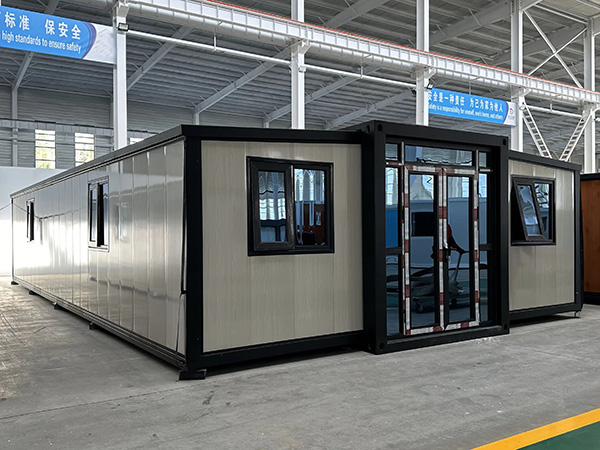
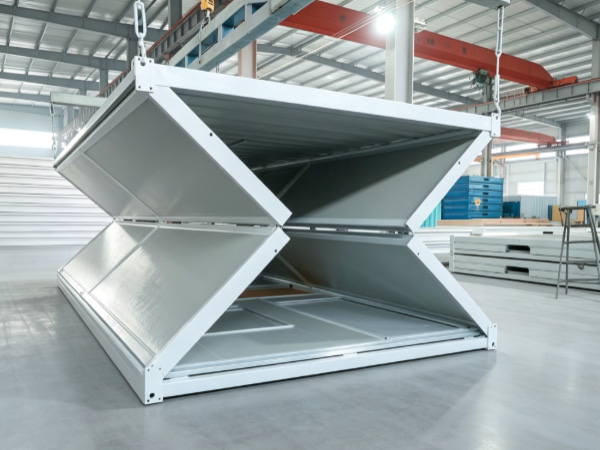
The prefab modular container house is engineered using high-grade galvanized steel frames and premium insulation materials, ensuring structural integrity and thermal efficiency. Unlike traditional construction, this modular solution arrives at the site pre-assembled, significantly reducing on-site labor requirements and construction time. The design incorporates thoughtful space optimization, making efficient use of every square meter while maintaining comfortable living or working conditions.
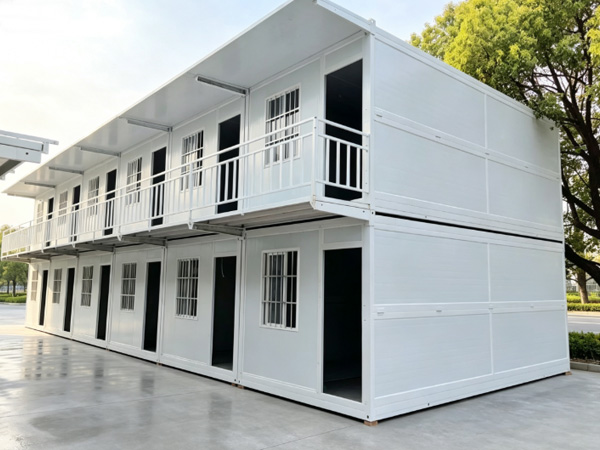
One of the most compelling aspects of this solution is its adaptability. Whether used as temporary worker housing, remote site offices, emergency shelters, or permanent residential units, the prefab modular container house can be configured to meet specific requirements. The modular nature also allows for easy expansion, relocation, or reconfiguration as needs change over time.
Applications and Use Cases
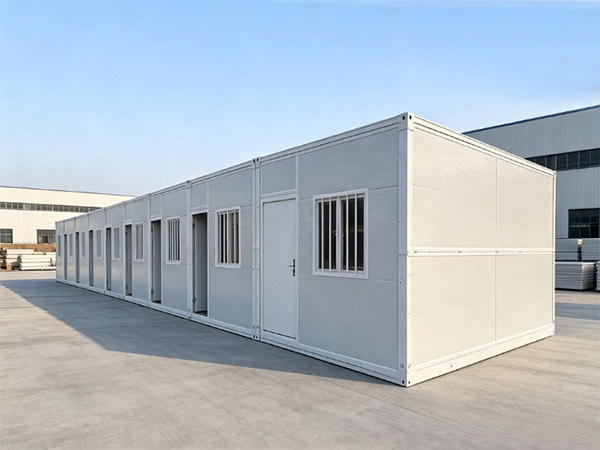
The versatility of the prefab modular container house makes it suitable for a wide range of applications across various industries. In the construction sector, these units are commonly used as on-site offices, worker dormitories, and temporary facilities for project teams. The rapid deployment capability means that construction sites can be operational within days rather than weeks, improving overall project efficiency.
Beyond construction, these modular units serve as emergency housing in disaster-stricken areas, providing immediate shelter for displaced populations. They are also increasingly popular as backyard guest houses, home offices, and additional living space for residential properties. In the tourism and hospitality sector, container houses are being transformed into unique hotel rooms, glamping accommodations, and pop-up retail spaces.
Future Outlook and Market Trends
The global market for prefab modular container house and similar modular construction solutions is projected to experience significant growth in the coming years. According to industry analysts, the modular construction market is expected to grow at a compound annual growth rate (CAGR) of approximately 6-8% through 2030, driven by increasing urbanization, rising construction costs, and growing demand for sustainable building practices. Government initiatives promoting affordable housing and disaster relief capabilities are also contributing to market expansion.
Technological advancements are expected to further enhance the capabilities and appeal of modular container buildings. Integration of smart home technologies, renewable energy systems, and advanced materials will make these units even more comfortable, efficient, and sustainable. The development of standardized building information modeling (BIM) for modular construction will streamline the design and customization process, making it easier for architects and developers to incorporate these solutions into larger projects. As awareness of the benefits of modular construction continues to grow, we can expect to see even more innovative applications and market opportunities emerge.
Conclusion
The prefab modular container house represents a compelling solution for anyone seeking flexible, cost-effective, and sustainable building options. With its rapid deployment capability, durable construction, customizable design, and wide range of applications, this modular building system offers significant advantages over traditional construction methods. Whether you are planning a temporary facility or a permanent structure, this innovative solution delivers exceptional value and performance.
As the construction industry continues to evolve, modular and prefabricated solutions like the prefab modular container house will play an increasingly important role in meeting global housing and infrastructure needs. By embracing these innovative building technologies, we can create more efficient, sustainable, and affordable built environments for generations to come.
References (Google Scholar)
 HOT PRODUCT
 CONTACT US